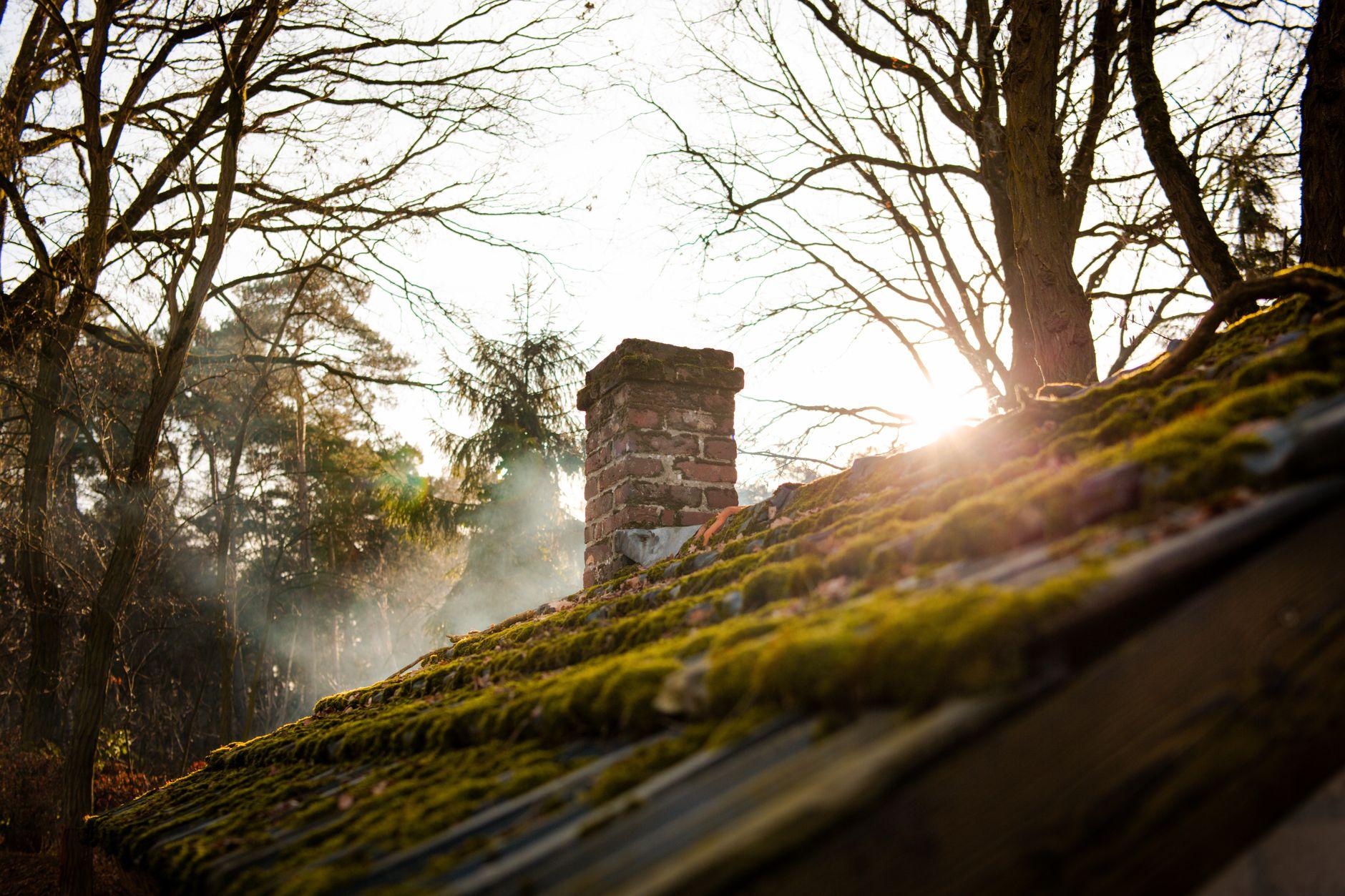
Start with where the brick would land
Stand in the yard and look at your chimney, then look at what sits beneath it. A child's bedroom on the other side of the wall. The side path the kids use to fetch their bikes. A patio where grandparents sit in the afternoon. In a strong shake, the top of an old brick chimney is the part of a house most likely to break off, and it falls on whatever is next to it.
That is the reason families in Fountain Valley ask us about bracing. This page covers what we check, the general routes for making a chimney safer, and what decides the price.
Why the chimney is the weak spot
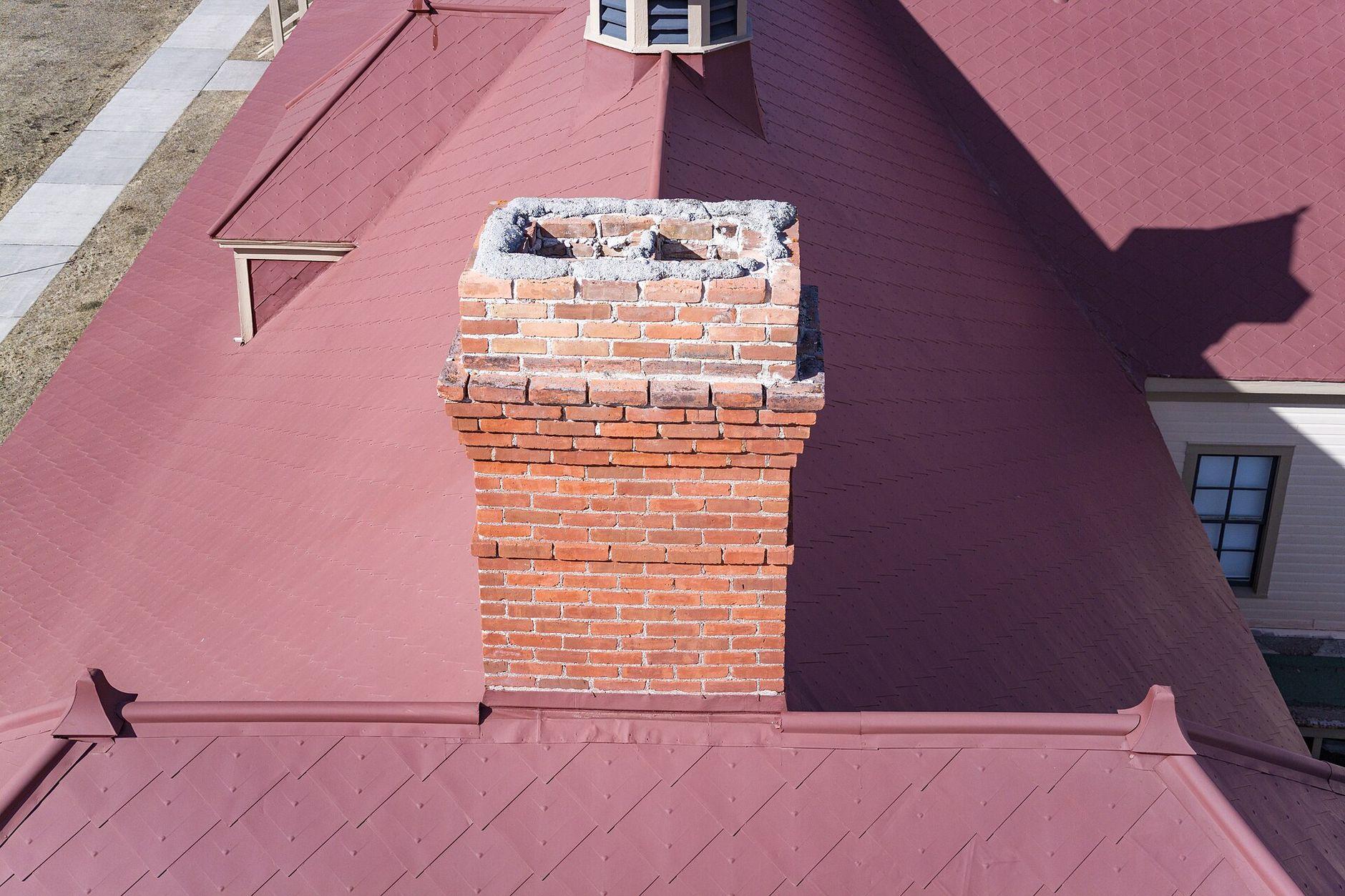
A brick chimney is a narrow tower of masonry glued together with mortar. The wood framed house beside it sways and recovers during a quake. The tower does not sway well. It rocks, and the mortar joints near the roof, where the tower stands free, take the strain. Older chimneys often have no steel inside at all. When those joints let go, the top section topples.
Southern California has seen it happen. After Whittier Narrows in 1987 and again after the 1994 quake, fallen chimney tops were among the most common damage people photographed in their streets.
What we check first
Before we suggest anything, we need to know whether the chimney can hold a fix at all. On the visit we look at:
- The mortar above the roof: does it crumble when scratched, or is it firm
- The top slab and the cap, and whether either is loose
- Any lean, measured against the house corner
- How the chimney is tied to the house now, if it is tied at all
- What sits below and beside it: bedrooms, doors, paths and play areas
If the brick is too weak to hold a brace, we tell you that before anything else. Steel attached to failing masonry makes nobody safer.
Three general routes
Height, the state of the brick and how the house is framed all steer the choice, so no two stacks get the same plan. In general terms, the options are:
- Steel support on the stack. A steel member fixed to the upper chimney and carried back into the roof framing, so the section above the roofline cannot topple freely.
- Ties at the floor and ceiling lines. Steel straps and anchors that bind the chimney to the house structure where they meet, so the two move together.
- A lighter top. The brick above the roof is taken down and replaced with a framed and sheathed section around a metal flue, so far less weight sits up high. For more on that route, see our rebuild page.
Some chimneys get a mix: a sound lower section tied in, with a lighter top above it. The written plan says which route we suggest and why, and you choose.
What the written plan shows
The plan is a few pages a family can read together at the table. It names the route we suggest and the reason for it. On a photo of your chimney it marks where steel would go, or where the brick would stop if the top comes down. It lists any repair the brick needs first, and what each part costs.
It also says what the work does not do. Bracing makes a fall less likely; it does not make a chimney quake proof, and we will not pretend otherwise. If you want a second contractor to price the same plan, it is yours to share.
What decides the figure
There is no list price for bracing with us, because no two chimneys take the same amount of steel, labor or care. The things that move the figure:
- The height of the chimney above the roof
- The state of the brick and mortar
- The route chosen, and whether the top comes down
- The roof covering and how easy it is to work on
- Whether repairs are needed first, such as repointing or a new top slab
We put a figure on paper after we have stood on the roof and looked at the brick, and you have it before any work starts.
Tell us how tall the chimney is and which rooms sit beside it, to book a roof visit
While you decide
A few household changes cost nothing and lower the risk today:
- Move the swing set, the sandbox or the patio chairs away from the chimney side of the house
- Put the crib or a child's bed against a wall away from the chimney breast
- Keep heavy items off the mantel, where shaking can throw them into the room
- After any shaking you feel, look at the chimney from the yard before lighting a fire
- If you see a lean, a new crack at the roofline or brick on the ground, keep everyone off that side of the house and call us
What else the visit covers
Bracing is a structural fix. While we are up there, we also check what a family relies on day to day: the cap, the flue opening and the top slab. If the chimney needs a camera check after a quake, the Level 2 page sets out what that involves. The seismic retrofit page covers bracing in more depth.
Bracing around Fountain Valley
We assess chimneys for bracing in Fountain Valley, Costa Mesa, Stanton and Lakewood. If water is also getting in, our post on leak repair and cap prices covers the top of the chimney.
The contact page is where to begin: tell us what sits below the chimney and we will plan the roof visit around it.
From Reading to a Safer Fireplace
Lamplighter can look at your own fireplace with the same care, starting with the parts children and pets can reach. We work out of Fountain Valley and reach Costa Mesa, Stanton, Lakewood and nearby towns.