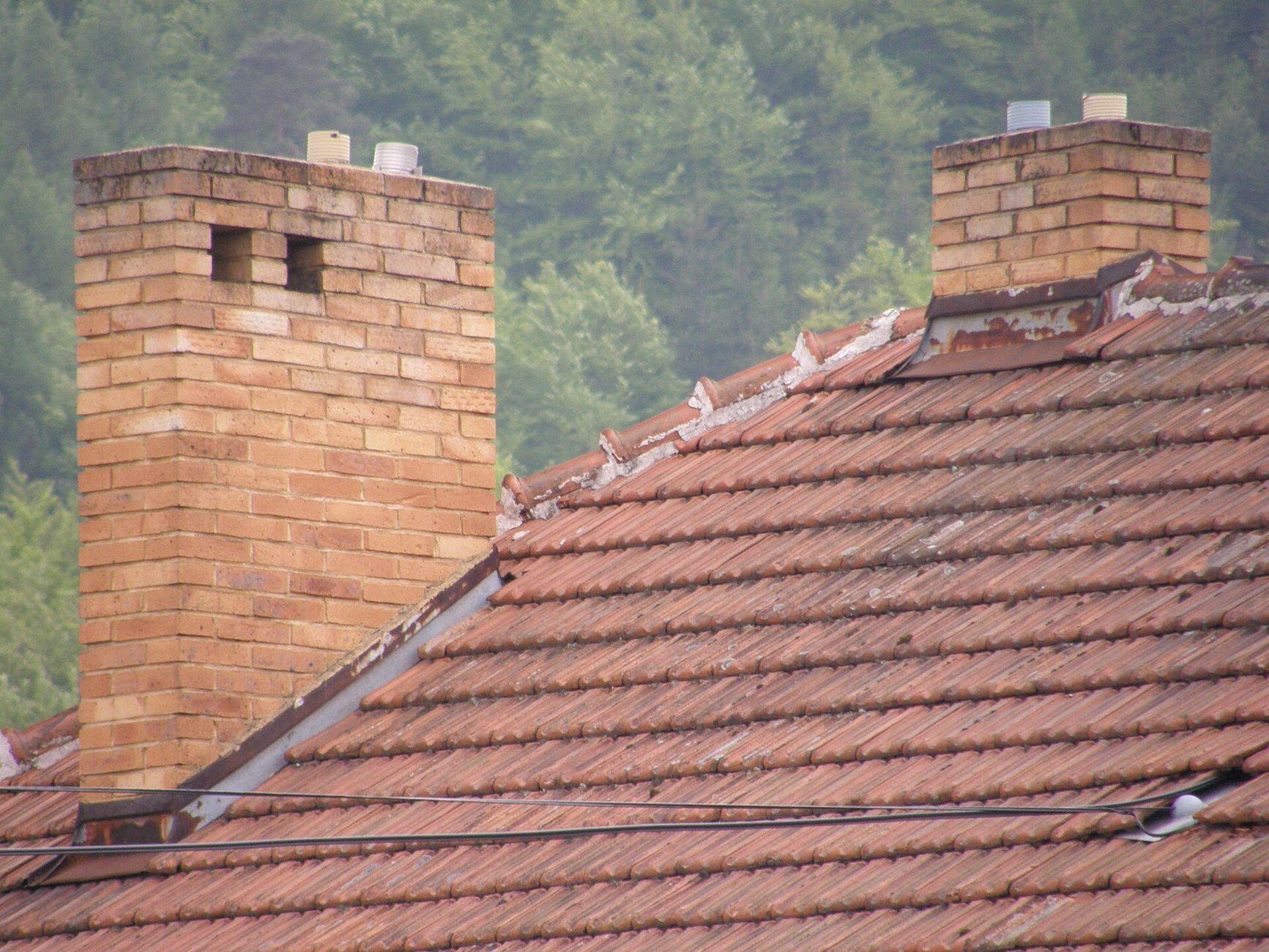
Water near the hearth is a household problem
A damp patch near a chimney feels like a roofing issue until you think about who uses the room. Wet drywall beside a child's bed grows a musty smell. A slick hearth stone is a trip for an older parent. A damper rusted by rain stops closing, and a family then heats the neighborhood all winter. Birds or rats that move into an open flue drop nesting material where a fire will be lit.
In Fountain Valley the coast adds its own wear. Salty marine air eats thin steel faster than inland air, so caps and metal flashing near the ocean age early.
This page lists what we charge to find and stop a leak, and what sets the price of a cap.
Our figures for the usual jobs
- Finding where the water gets in and stopping it: $580 to $3,450
- A sloped roof diverter built on the chimney's uphill face: $465 to $1,045
- That diverter with every flashing piece around the chimney renewed: $695 to $1,700
- A new cap over the flue, fitted and fixed down: quoted after we measure
The ranges are wide on purpose. A one story house with a small single flue and an easy roof sits near the bottom. A tall stack with two flues, a steep pitch or a tile roof sits higher.
Leaks: why the figure moves
Water reaches the inside of a house through a chimney by more than one road. It can come through the top, through the brick and mortar, or where the roof meets the chimney. Often it is two of those at once. So a leak job starts with finding the path, not with a tube of sealant.
What pushes the price up or down:
- How many entry points we find
- Whether the brick and mortar need repair or only the metal around them
- The roof covering: shingle, concrete tile or clay tile
- How much of the inside finish is stained or soft, and whether drywall needs opening
We tell you which roads the water is taking before we fix anything, so you are not paying to guess.
Caps: what sets the price
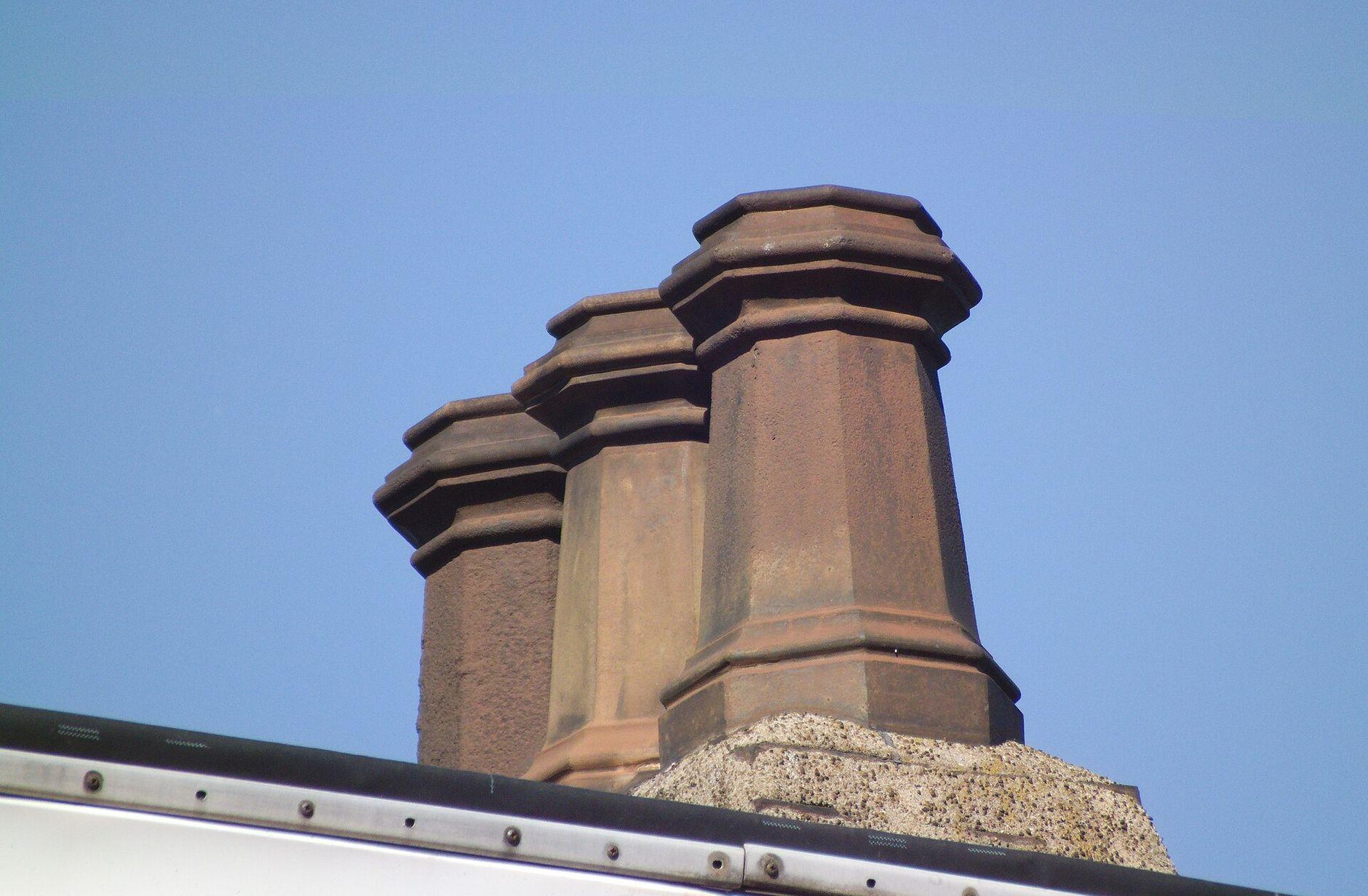
A cap is the simplest safety part on a chimney. It keeps animals out, keeps rain out of the flue and catches sparks before they reach a dry roof in Santa Ana season. The cost depends on:
- The number of flues and whether one cap covers them all
- The size of the top of the chimney
- Stainless steel or copper
- On a factory built chimney, the maker's matching part, which has to be the one the system was tested with
Near the coast we steer families toward stainless or copper. Plain steel looks fine for a season or two, then rusts and stains the brick.
Roof diverters and flashing
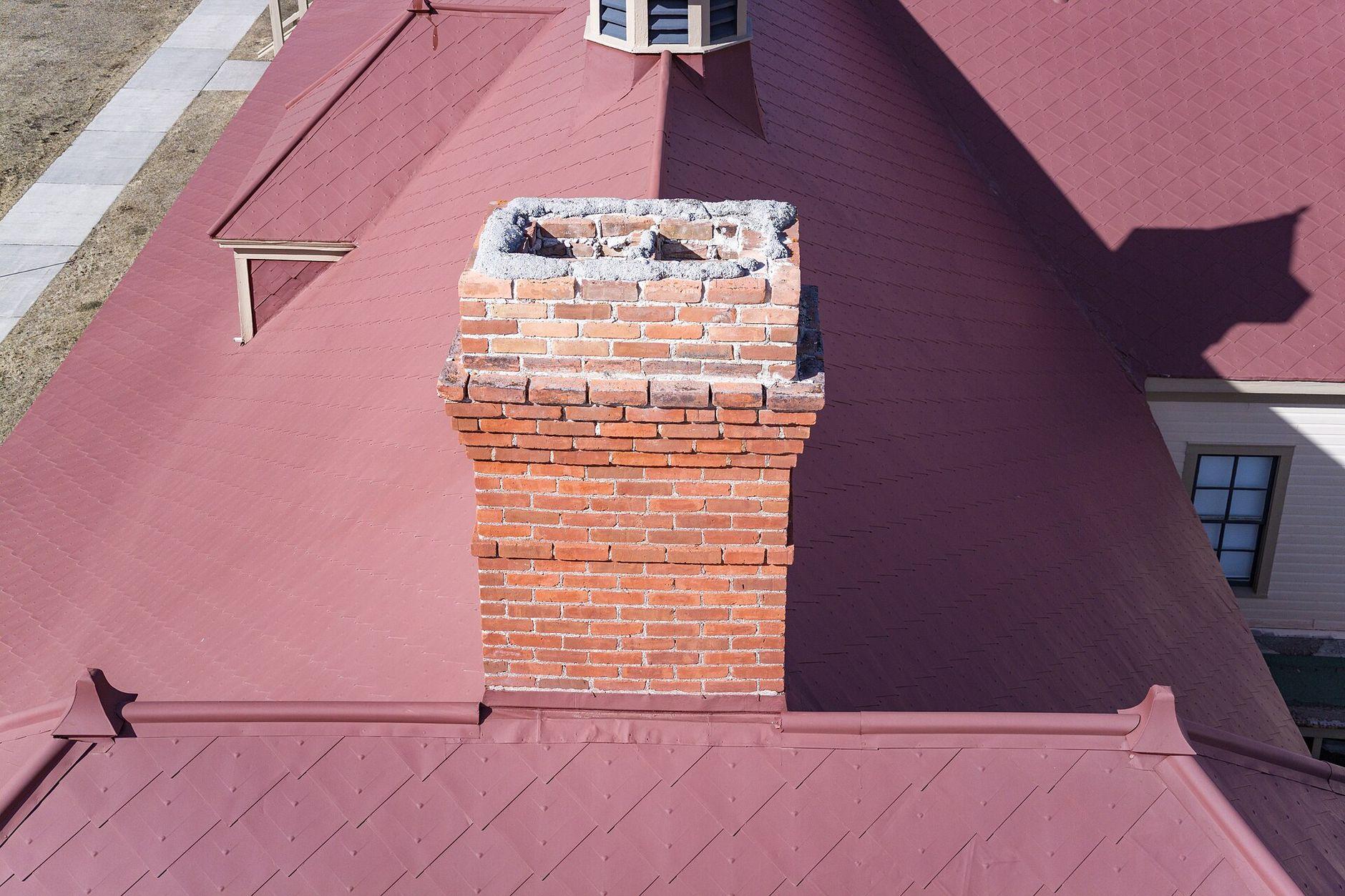
A wide chimney across a sloping roof catches water and leaves on its high side. A small pitched metal diverter on that side splits the flow round the chimney. When the old flashing is tired as well, doing both at once costs less than two separate visits. See the flashing repair page for the metal work itself.
How a leak visit runs
We start indoors, where the water shows, and note the ceiling, the wall and the hearth around it. Then we go up: the top of the chimney, the mortar joints, the metal where roof and brick meet, and the attic side if a hatch sits near the chimney. When the source is not obvious, we test one suspect at a time until the stain answers.
You get a short written note naming each entry point we found, with its photo and the figure for closing it off. The repair goes ahead only once you agree to it. When the work is finished we photograph the same spots again, so the next storm is not your only proof.
What decides your next step
Two questions: where the water shows up inside, and whether the chimney has a cap at all. If the stain comes and goes with heavy rain, the leak job is the likely route. If the top is open and you hear scratching or see twigs in the firebox, start with the cap.
Tell us where the water shows indoors and whether you can see a cap from the yard, for a booking
Crown, liner and damper work
Some leaks trace back to the slab at the top of the chimney, to a cracked liner or to a damper that no longer seals. Those repairs have no list price with us. We give a written figure once we have been on the roof, before any work begins. Our crown repair, liner and damper pages explain each one.
Once the masonry is sound, a water repellent can help brick that soaks up rain. That is covered on the waterproofing page.
Keeping the family safe while you wait
- Keep children and pets out from under a sagging or soft ceiling patch
- Do not light a fire if water has been dripping into the firebox
- Move rugs and furniture away from a wet hearth so nobody slips
- If animals are in the flue, keep the damper shut and the screen closed
Leak and cap work around Fountain Valley
We cap and repair chimneys across Fountain Valley, Costa Mesa, Stanton and Lakewood. The leak repair page and the cap page hold the detail. If you are buying the house the leak is in, read buying a house with a hearth first.
To get a visit on the calendar, use our contact page and mention the room where the water appears.
From Reading to a Safer Fireplace
Lamplighter can look at your own fireplace with the same care, starting with the parts children and pets can reach. We work out of Fountain Valley and reach Costa Mesa, Stanton, Lakewood and nearby towns.